 Niba Çelik
Industrial Fabrication
Made-to-drawing steel equipment for plants and contractors: tanks, formwork, grabs and barriers.
What we fabricate
Industrial fabrication covers the steel equipment that plants and contractors cannot buy from a catalog: liquid storage and process tanks, site tanks, concrete formwork, scrap and bulk grabs, noise barriers. The common thread is that the product is drawn for one project, made from plate and sections by cutting, bending and welding, protected for its working environment and shipped. The buyer is usually a plant engineer, a purchasing department or a site manager, and this family of pages is written for that reader.
Sub-services
Treatment tanks are the equalization, aeration, settling and chlorination compartments of package plants, plus industrial pre-treatment and chemical preparation tanks. Carbon steel with an internal lining or a stainless body; tightness is checked by water test. The process diagram and nozzle list come from you; a tight, transportable tank comes from us.
Bentonite tanks mix, store and settle bentonite slurry for bored-pile, diaphragm-wall and tunnel sites. Sized to truck limits, fitted with lifting lugs and legs, moved from site to site; baffles and sloped floors start the sand separation inside the tank.
Concrete formwork means reusable steel molds for precast columns, beams, panels, culverts and pipes, and for in-situ pours. Plate face with section stiffeners, hinged leaves, adjustment screws and gasket details; surface class and number of pours drive the design.
Polyp grabs are multi-tine grabs for scrap, slag, bulk ore and waste, rope-operated or hydraulic. Volume follows from machine capacity and bulk density; tine tips carry wear plate, pins and bushings are replaceable.
Noise barriers are absorptive, reflective or transparent panels on galvanized steel posts for roads, railways and plant perimeters. Height comes from the acoustic report, post section from wind load; panels are individually replaceable.
Advantages and limits
The advantage of made-to-drawing fabrication is fit: nozzle levels, connection patterns, lifting points and coating are drawn for your site, without the compromises accepted in a series product. A welded plate body reaches site largely finished; tightness and dimensional checks are completed in the workshop.
There are cases where custom fabrication is the wrong choice. If a product exists in a catalog and its dimensions suit you, custom work is usually slower and more expensive. Oversize items need split shipment and site welding, and at that point concrete or a site-bolted solution can be more economical. Design input (process diagram, acoustic report, machine capacity) must come from the relevant discipline's engineer; we do not generate it, but we say what is missing.
Fabrication approach
The five product groups follow one sequence: input collection and shop drawing, approval, cutting and forming, welded assembly, inspection and test, surface treatment, shipping. The step that differs is the test: water test on tanks, flatness and open-close trial on formwork, motion and hydraulic tightness on grabs, dimensional and coating checks on barriers.
| Product | Governing load | Typical material | Typical surface system |
|---|---|---|---|
| Treatment tank | Hydrostatic pressure, equipment loads | S235 or S355, 304 or 316L where needed | Thick-film epoxy inside, epoxy-polyurethane outside |
| Bentonite tank | Slurry pressure, lifting loads | S235 or S355 | Epoxy primer inside, colored top coat outside |
| Concrete formwork | Fresh concrete lateral pressure, deflection limit | S235 or S355 plate and sections | Back face painted, working face oiled |
| Polyp grab | Gripping force, impact and wear, fatigue | S355 body, 400 or 450 HB wear plate | Epoxy-polyurethane, wear faces unpainted |
| Noise barrier | Wind load, cantilever moment | H-section posts S235 or S355, galvanized or aluminum sheet | Hot-dip galvanizing, duplex powder coat if requested |
Project stages
- Inputs: your drawing, diagram or specification, target dimensions and quantity, working environment and delivery address.
- Shop drawings and approval: plate developments, stiffener plan, nozzle or fitting layout, coating specification; nothing is cut before approval.
- Fabrication: plasma or laser cutting, rolling and bending, tack assembly, dimensional check, full welding.
- Test and inspection: the product-specific test above; third-party or non-destructive inspection where the project specifies it.
- Surface treatment: blasting, primer and top coat, internal lining or galvanizing as the environment requires.
- Shipping: by truck or low-bed; oversize items split and joined on site. International inquiries are welcome; shipping and installation terms are agreed per project.
Materials and standards
Welded fabrication follows EN 1090 and EN ISO 3834; structural steel is S235 or S355 to EN 10025, with stainless 304 or 316L where the process demands it; steel checks follow Eurocode 3 (EN 1993); external coatings are selected by EN ISO 12944 corrosivity category and galvanizing by EN ISO 1461. Product-specific standards (lifting accessories, barrier panels, concrete execution) are named on the relevant service page. Each project's specification decides what is actually required; this section sets out the common framework.
What drives the price
- Product size, weight and geometric complexity
- Material class: carbon steel, stainless or wear plate
- Number of nozzles, connections, moving parts and access elements
- Test and inspection scope (water test, non-destructive testing, third party)
- Surface system: paint, galvanizing, powder coat, internal lining
- Shipping distance, transport limits and split shipment
- Scope of site assembly, installation and commissioning support
To get a proposal, send the drawing, diagram or specification you have, target dimensions and quantity, the working environment and the delivery address; each sub-service page lists the specific inputs it needs.
Industrial Fabrication
Services
Treatment Tank Fabrication
Steel tanks and basins for domestic and industrial treatment plants.
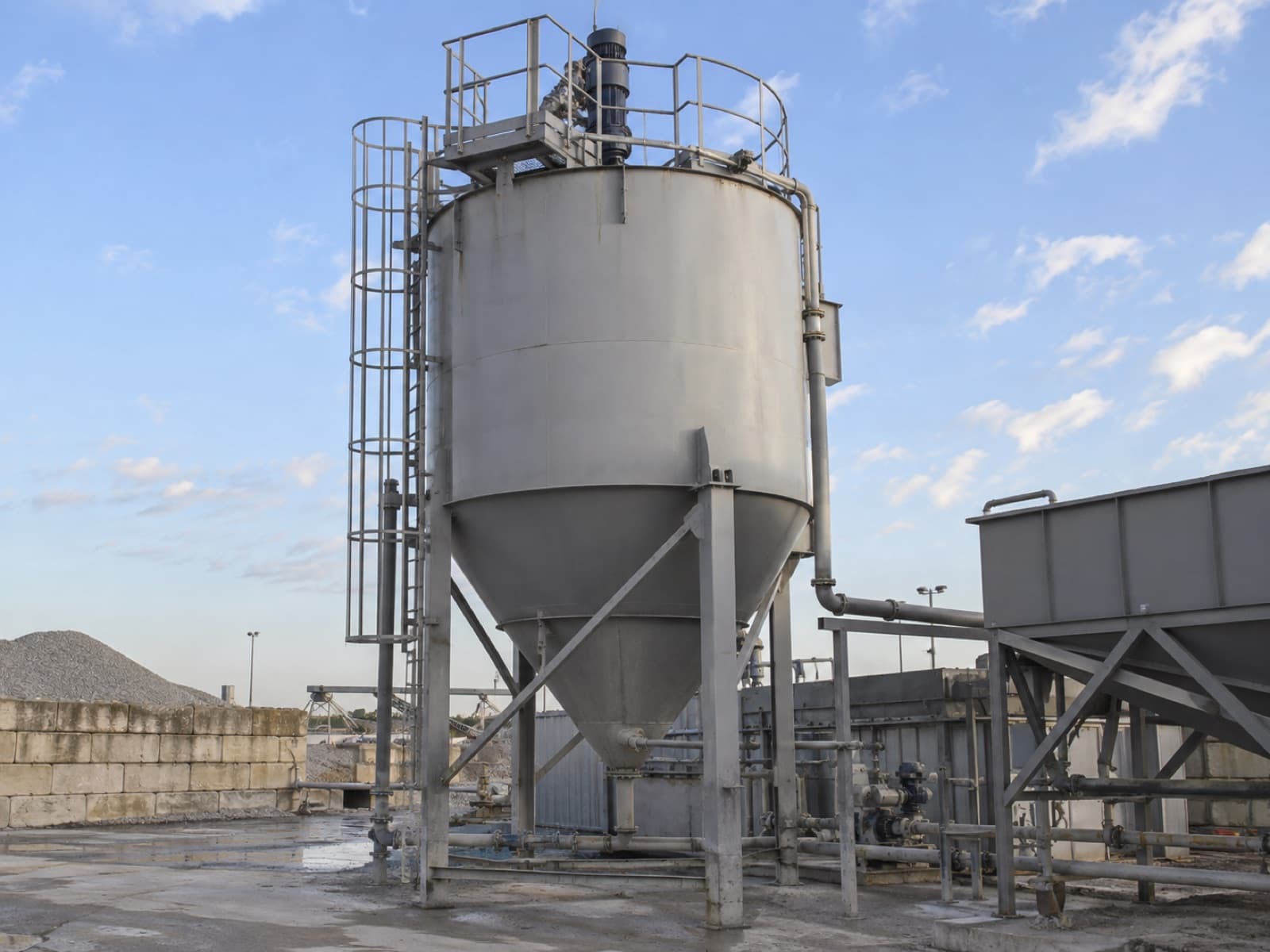
Bentonite Tank Fabrication
Portable steel tanks that store and recondition bentonite slurry on foundation sites.
Steel Concrete Formwork
Reusable steel molds for precast producers and contractors.
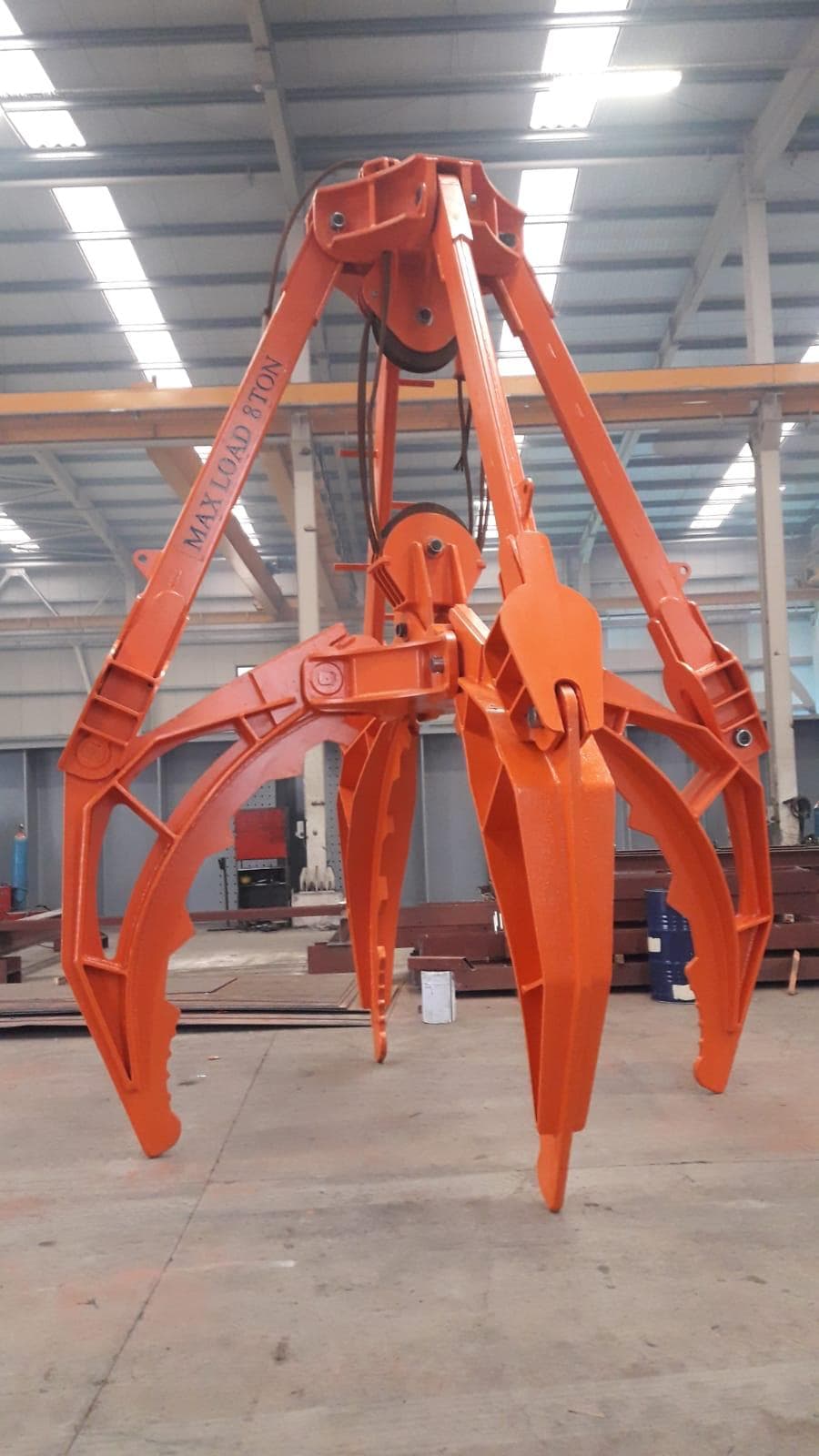
Polyp Grabs (Orange Peel Grabs)
Multi-tine grabs for handling scrap, slag and bulk material.
Noise Barriers
Post-and-panel systems that reduce road and plant noise.
Projects
Related projects
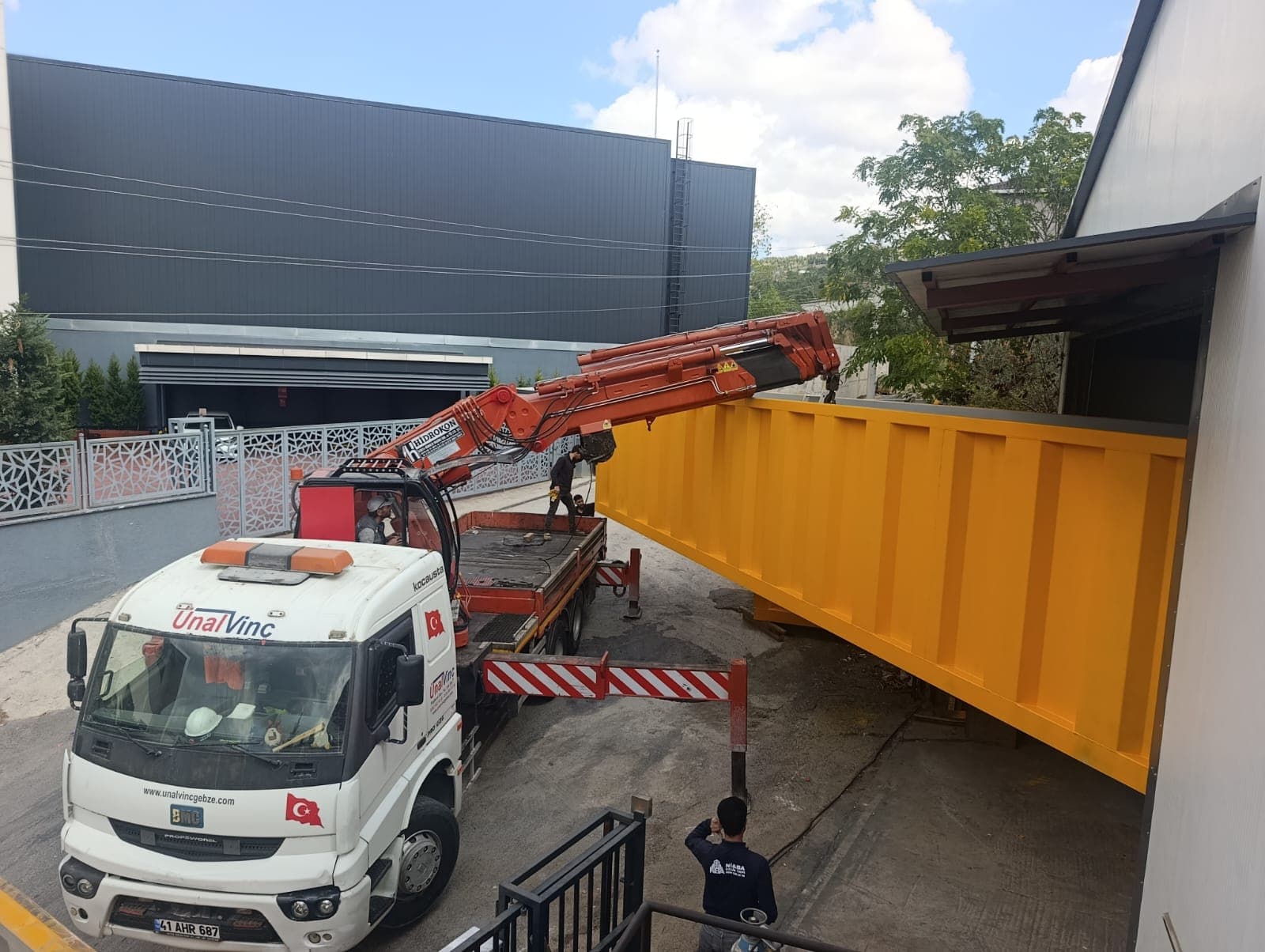
Bentonite Tank Fabrication and Delivery
Istanbul
Fabrication and delivery of a portable steel bentonite tank that moves from site to site.
Frequently asked questions
Do you fabricate to customer drawings?
Yes. We prepare shop drawings from your approved technical drawings or a sample part and start production after your approval.
How is shipping handled?
By truck or low-bed depending on size; oversize items are split into transportable sections and joined on site. Freight, packing and shipping documents are quoted as separate items.
What if we do not have a finished design?
The process input (flow diagram, acoustic report, machine capacity) must come from the relevant engineer. We do not produce that input, but we tell you exactly what is missing and prepare the shop drawings once it is in hand.